Surprise (Part Two)
You want to surprise your audience, right? Well, it's important to take some distance from that too. So let's talk about how to approach writing from a creativity mindset rather than a marketing one.

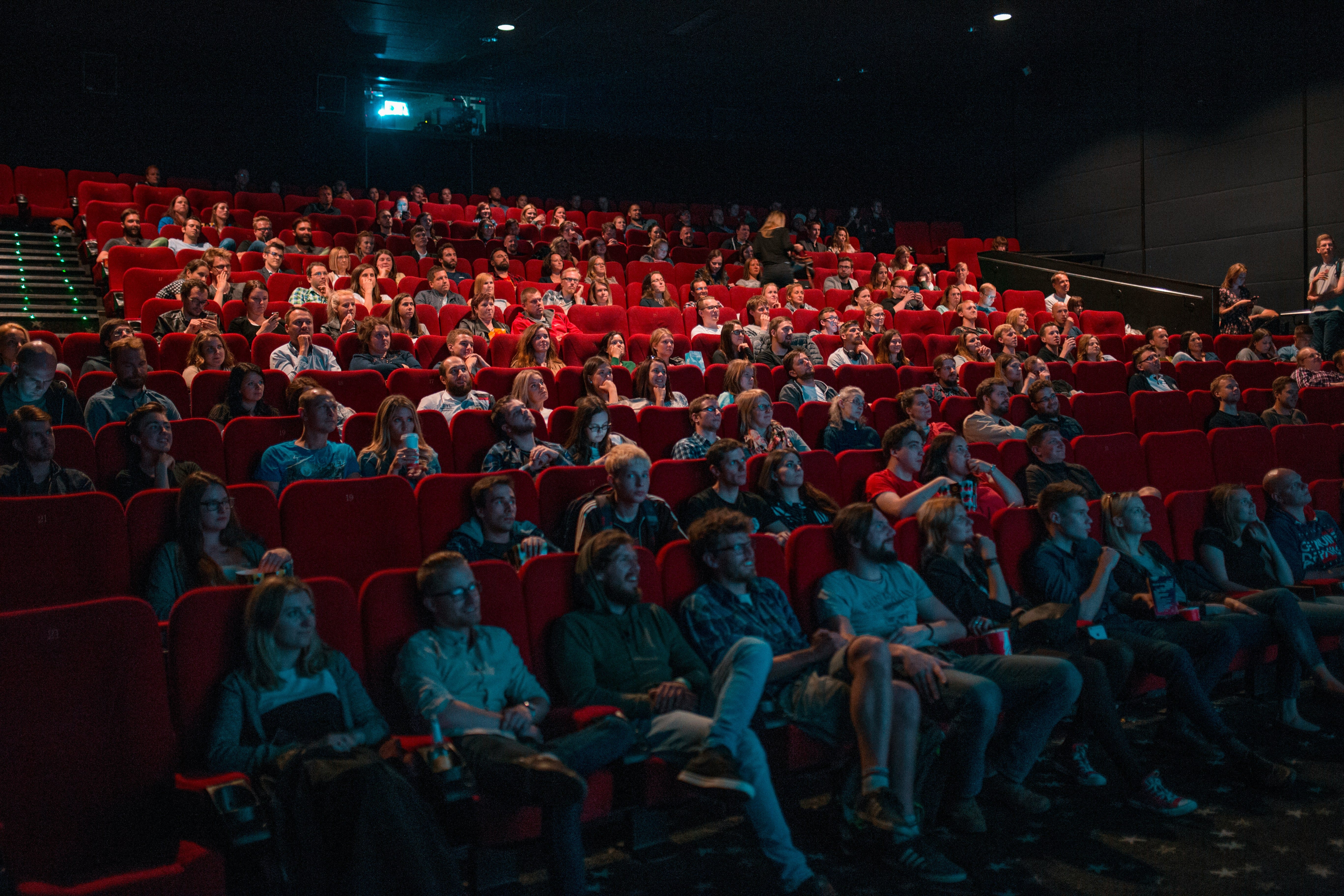
Last week I talked about surprise as a key element in good writing, good art and, in fact, all creative endeavors.
And as a writer, the first step you take in your writing is choosing what to write about. So how do you do that? How do you choose something surprising vs. something that people already know about? And wait a minute: aren’t you supposed to give the people what they want, what they know? Haven’t experts said you should find out what the people want and give it to them? Isn’t that a key element of marketing?
Well, yes, it is. But creating isn’t marketing. And what you invent as a writer just isn’t the same thing as, say, what an inventor of a new hair dryer creates. The hair dryer inventor wants to appeal to the most people possible in coming up with his/her new design and the writer… but wait, isn’t that what a writer does too? Come up with an idea that will appeal to the broadest audience base possible? Come up with an idea that every studio will want?
Well, no.
If your goal is to please someone—be it studios, actors or an audience—you’re a marketer, not a creator.
Is it possible to NOT think about your audience? Probably not. But that shouldn’t be the motivating factor. The motivating factor should be to do something that hasn’t been done before. Something original.
So wait a minute, weren’t we talking about surprise?
Well, guess what? If you come up with an original idea, or even an idea that has a bit of original dust on it, it will be surprising. Why? Because so many people aren’t doing that. Instead, they’re coming up with ideas that they think people want and going at the whole creative process backwards.
Ask yourself: when’s the last time you saw a film and said, “Wow! What a great idea for a movie!!” Generally you walk out of a movie saying that was fun, or that was scary, or that was boring, but your reaction is often based on the acting or the special effects or how the story was told—not necessarily the story idea itself.
It may seem daunting, coming up with a truly original idea, but it’s what a script needs to have to be noticed. Especially as an aspiring writing, you can’t just write a good script in a genre that’s hot at the moment. You need to stand out from all the other good scripts being seen in that genre. And one way to do that is right from the beginning, right from the moment you pick that idea to write about. Surprise us with your choice. Surprise us by picking something new and different.
Next week: an in-depth look at three films from the last few years that began with original ideas—and thus surprised us right from the start.
A crazy idea occurs to me here.
I like to engage online with people who have radically different ideas than I do. I try to be respectful; and, I usually drop anyone who just wants to troll me or be offensive. But it occurs to me that it's not rare that someone makes a comment or a claim and I think "that's something I never would have thought of." Now, my initial reaction might not be to admire the observation, but it's certainly a novel idea for me. Sometimes, I'll even tell them how fascinating I find their idea & try to politely ask how they reached that conclusion; I want to see the thought process in action.
What's that have to do with writing? It seems to me that a process to provoke originality might be to spend time with people who don't think the same and say the same things we do. And if I were still a writer, I'd be thinking about how to use some of the outrageous things I've been told in a story … either in a plot or in a character … that I wouldn't ever have created.
And if you laugh and explain that's what how writers have been doing and recording in journals for decades, then I'll smile and agree that's why you're a writer and I've been a programmer.